On April 1, the science and technology edition of People's Daily reported that Tan Tianwei, president of Beijing University of Chemical Technology and academician of the Chinese Academy of Engineering, aimed at the country's major development needs and the frontier of industrial technology, and made many research achievements in the fields of biomass conversion and preparation of bioenergy, bio-based chemicals and biomaterials.
On April 1, the Science and Technology Edition of People's Daily 《
Accelerate technological breakthroughs, accelerate industrial layout-actively create a new growth engine for biological manufacturing"As the title, it is reported that the team of Tan Tianwei, president of Beijing University of Chemical Technology and academician of the Chinese Academy of Engineering, aims at the country's major development needs and the forefront of industrial technology.
Many research achievements have been made in the fields of biomass conversion to produce bioenergy, bio-based chemicals, and biomaterials..

Biomanufacturing is an advanced industrial model that uses biological tissues or organisms (enzymes, microbial cells, etc.) to process materials and produce related products.
As the key development direction of bio-economy, bio-manufacturing is one of the important means to cultivate new quality productivity.
This year's "Government Work Report" clearly stated: "Actively create new growth engines such as biomanufacturing, commercial aerospace, and low-altitude economy."
What is the difference between bio-manufacturing and traditional manufacturing? What is the development status of bio-manufacturing in China? From what aspects should we focus on building a new growth engine of bio-manufacturing? Please see the reporter's interview.
Change the production of raw materials, manufacturing processes, biological manufacturing innovation material production methods
"As a disruptive technology, biomanufacturing is the'green power' for my country's industrial transformation and upgrading, and it is also an important way to achieve green development." Chinese Academy of Engineering, Beijing University of Chemical Technology President Tan Tianwei said.
Due to the relative shortage of petrochemical resources such as oil and natural gas, China's chemical raw materials are highly dependent on foreign countries. according to tan tianwei,
Biological manufacturing technology provides a new way for the diversification of chemical raw materials in China.Compared with the traditional petrochemical route, the current biological manufacturing can save energy and reduce emissions by an average of 30%-50%, and this proportion is expected to reach 50%-70% in the future. In addition, bio-manufacturing can also directly convert carbon dioxide into fuels and chemicals, which can help achieve the "two carbon" goal.
"The fermentation and synthesis of protein, starch, oil, sugar, etc. through biological manufacturing can not only significantly reduce the dependence on natural resources, but also is expected to change the existing production methods of agricultural products and better ensure national food security." Tan Tianwei said.
China's bio-manufacturing research is steadily advancing, and the industry has broad prospects for development.
The great potential of biological manufacturing makes it the forefront of international competition.
China's biological manufacturing research is remarkable. During the 13th Five-Year Plan period, the Ministry of Science and Technology launched a national key research and development project for green biological manufacturing. "with the joint efforts of the scientific and technological circles and the industrial circles,
In recent years, China's biological manufacturing has made important breakthroughs in the underlying tools and key technologies, and the exploration in some fields is in the forefront of the world."Tan Tianwei said.
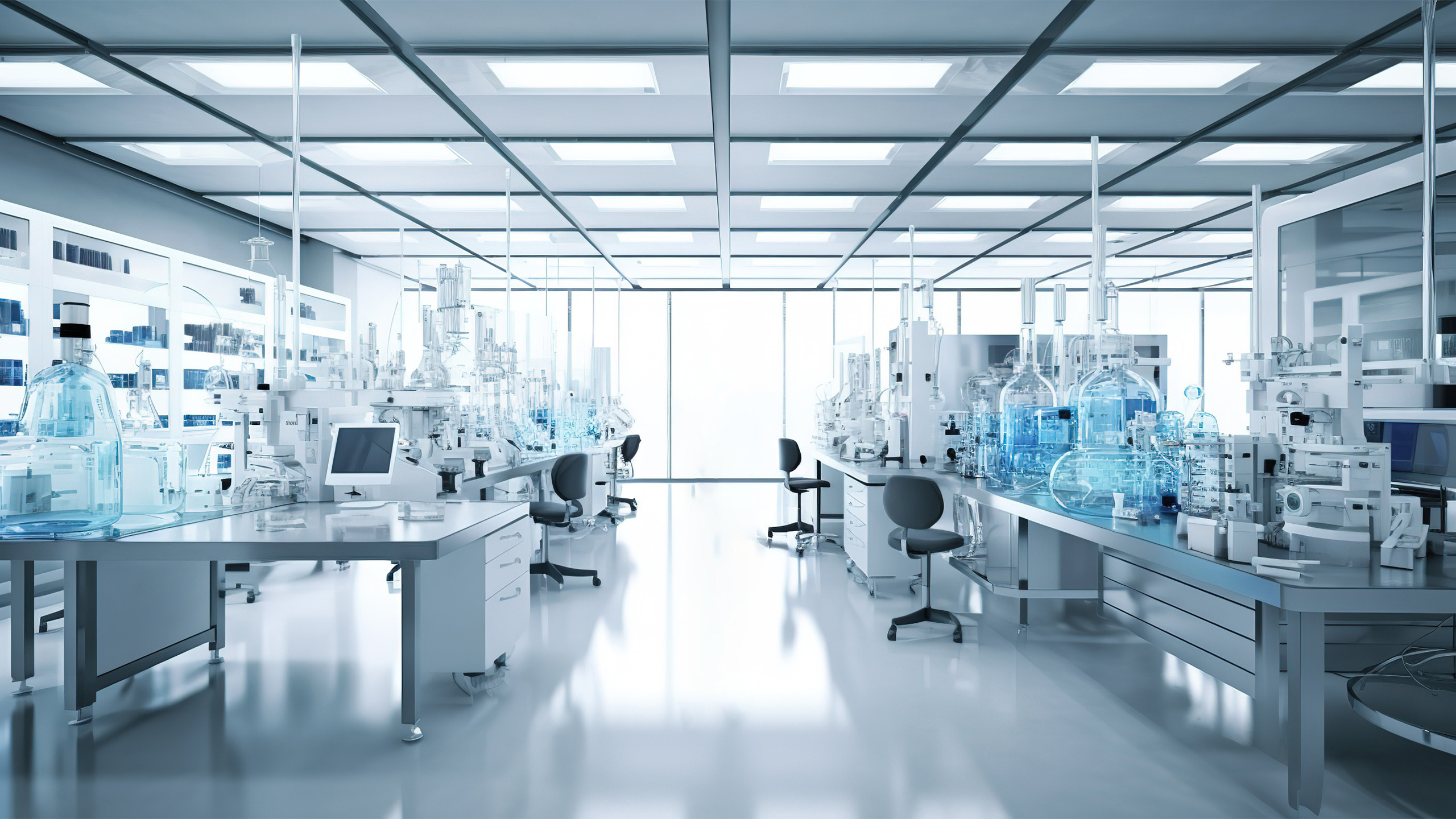
Entering the National Energy Biorefinery Research and Development Center at Beijing University of Chemical Technology, the laboratories are one after another. Researchers are working intently, some are cultivating strains, some are modifying genes, and some are conducting sample testing.
"The center aims at the country's major development needs and industrial technology frontiers, and has achieved many research results in the fields of biomass conversion to produce bioenergy, bio-based chemicals, and biomaterials." Pointing to the fermentation broth in the shake flask, Cao Hui, a professor at the School of Life Science and Technology at Beijing University of Chemical Technology, told reporters, "This is the growth of the strains we test in the shake flask. Only through repeated experiments can we find strains suitable for industrial use."
According to experts, from the perspective of fermentation raw materials,
At present, the commercialization of the first generation of biological manufacturing represented by starch and oil is relatively mature; the second generation of biological manufacturing using lignocellulose as raw material has gradually entered the stage of pilot test and industrialization demonstration. In order to further reduce the raw material cost of biological manufacturing, researchers are exploring the third generation of biological manufacturing using carbon dioxide as raw material.
In 2021, Chinese scientists achieved the first de novo synthesis from carbon dioxide to starch through multi-enzyme cascade catalysis. At present, researchers are exploring the use of carbon dioxide to prepare biofuels and bio-based materials, opening up a new space for the industrial transformation of carbon dioxide.
Using biological manufacturing methods, people have produced a number of new products with good performance and high economic value, such as recombinant protein drugs, biological aviation kerosene, biodegradable plastics and so on.
In theory, more than half of the world's important chemicals can be obtained by biological manufacturing methods, and the development potential is huge.
The continuous development of biological manufacturing technology has also begun to benefit mankind. For example, using biological manufacturing technology, researchers develop personalized new drugs and new therapies according to the specific needs and genetic background of patients, so as to improve the treatment effect.
"In the fields of medicine, agriculture, food, chemical industry, etc., biological manufacturing has a broad space for display." Tan Tianwei said that with the development of related technologies, biomanufacturing is also expected to expand into mining, metallurgy, electronic information and other industries, injecting more new momentum into high-quality economic development.
Make up the short board, forge the long board, accelerate the development of biological manufacturing industry.
In recent years, from the state to the local, China has accelerated the layout of the biological manufacturing industry. In 2022, the National Development and Reform Commission issued the "14th Five-Year Plan for the Development of Bioeconomy", which listed the promotion of the development of biological manufacturing as an important content. Relying on the Tianjin Institute of Industrial Biotechnology of the Chinese Academy of Sciences and other institutions, Tianjin's synthetic biotechnology research and development and industrial development are steadily advancing. In September last year, Shanghai issued the "Shanghai City to accelerate the synthetic biological innovation strategy source to build high-end biological manufacturing industry cluster action plan (2023-2025)".
Beijing takes the synthetic biological manufacturing industry as an important support for the future industry. The city's synthetic biological manufacturing technology innovation center settled in the Future Science City in January this year.
What are the advantages of developing biological manufacturing in China?"my country's biological fermentation industry has a huge scale, accounting for about 70% of the world's output. A complete fermentation industry system provides a solid foundation for the biological manufacturing industry." Chen Guoqiang, director of the Center for Synthesis and Systems Biology of Tsinghua University, believes that in the future, as people's demand for healthy, green, and environmentally friendly products continues to increase, there will be more and more room for the development of the biological manufacturing industry.
What are the challenges facing the development of biological manufacturing in China?Chen Guoqiang of Tsinghua University said that at present, there are not many microbial strains with independent intellectual property rights in China, and some key equipment still depends on imports. In addition, the industrial chain of some products of biological manufacturing is not perfect, and the transformation efficiency of scientific and technological achievements needs to be improved. "The competition we are facing is global. We must make up for shortcomings, forge long boards, and accelerate the development of the biological manufacturing industry."
“
As an emerging industry, the cycle of biological manufacturing from original innovation to industrial landing is relatively long, and there is also a certain degree of uncertainty.." Tan Tianwei said that it is necessary to quickly develop key biomanufacturing technologies for specific needs and improve the efficiency from source innovation to industrial development.
Tan Tianwei suggested,
In terms of scientific and technological innovation, we must pay attention to the design and application of the underlying database, software and industrial strains and enzymes, promote the integration of biological manufacturing and artificial intelligence, and enhance the original innovation capability of biological manufacturing in China.; In terms of platform construction, it is necessary to do a good job in the connection between laboratory research and pilot test verification, and accelerate the process of innovation results "from 0 to 1" and "from 1 to 100" by building a platform for industrial common needs; in terms of industrial support, It is necessary to improve the matching supervision mechanism and market access mechanism as soon as possible to create a pilot demonstration zone for the biological manufacturing industry.
Biological manufacturing involves many links, and it is difficult to get through the whole process of the industrial chain by a single enterprise or scientific research institute. Chen Guoqiang believes that it is necessary to build a new industrial ecosystem, so that participants in the upstream and downstream of the industrial chain can show their strengths and achieve common progress through the cluster development model."In particular, it is necessary to promote the deep integration of chemical industry, medicine, materials and other industrial fields with biological manufacturing technology, and further expand the application scope of biological manufacturing technology." Chen Guoqiang said.